Contact Inro
- 96 Queen Park, Los Vegas, USA
- +1 800 555 44 00
- support@example.com
- Office Hrs: Today 9.00am to 6.00pm



County:
Historical name:
Famous beaches:
Drinking water sources:
Share:
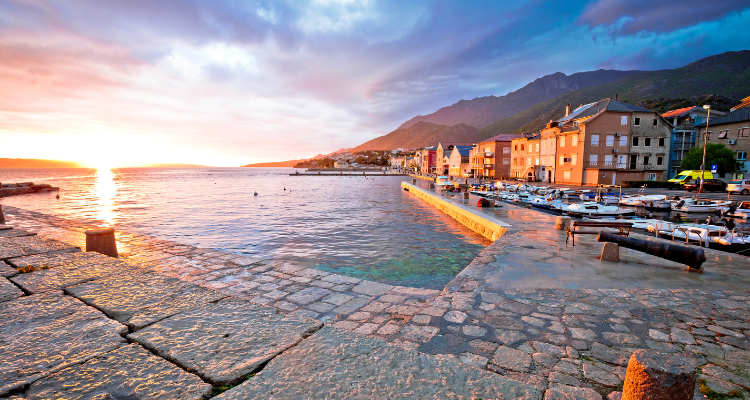
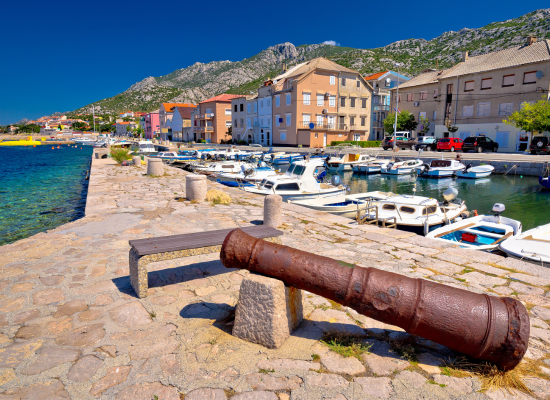
Swimming and sunbathing in the summer, skiing and sledding in the winter, hiking and walking on Velebit in the fall, photography and the smell of Velebit medicinal plants in the spring.
Located on the coastal road, which leads from Rijeka to Dubrovnik on the Adriatic highway, and inland to Gospić, Plitvice Lakes and Zagreb, it is an unmissable tourist oasis, for a longer stay or for a short rest and refreshment after a long journey.
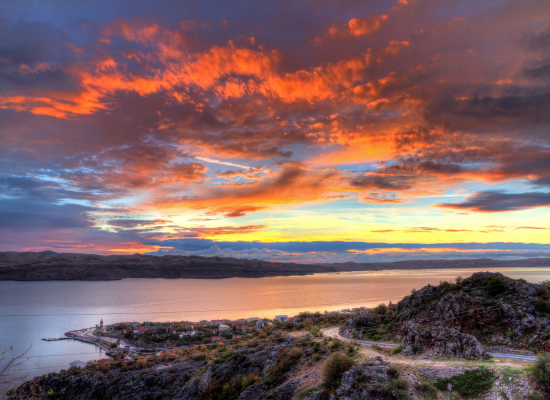
KARLOBAG (1.019 inhabitants, municipal centre) and its 42 kilometers long Riviera is positioned under the VELEBIT, a mountain range dividing continental and Mediterranean Croatia. This unique location gives Karlobag an ideal combination of mountain type climate at the nearby Baske Ostarije, at 1000 meters above sea level and only a 15-minute drive away, and Mediterranean climate along the coast. This natural advantage of coutryside and climate provide optimal conditions for yearround tourism. Sun bathing and swimming in the summer, skiing and sleighing in the winter, mountaineering and long walks in the autumn, photography and herbs in the spring.
Karlobag sits at coastal highway leading from Rijeka in the north to Dubrovnik in the south, and at the continental one leading to Gospic, the Plitvice Lakes and the capital, Zagreb; thus becomes a perfect tourist oasis suitable for short break or refreshment spot during a long trip, as well as for a longer holiday.
The clear sea, well preserved nature, historical and sacral monuments, piece and quiet guarantee ideal circumstances for your vacation. If you prefer an active holiday and want to have some fun, there is a wide range of activities we can offer: futsal, basketball, volleyball, tennis, bowling, miniature golf and different sport at and under the sea, to name just a few. You can also enjoy various activities at the Velebit, including mountaineering, paintball, cycling, walking, panoramic photography from gazebos at Kubus and Basaca. There is a sports hall in Velebno hotel, in case of rain or snow. Karlobag also offers lots of amusement in the evening, international painters’ colony, trips to nearby islands (Pag, Rab, Zadar archipelago) and national parks of North Velebit, Plitwice Lakes and Paklenica.